The $100,000 Illusion: Why Ankle Monitors are Failing the Bail Industry
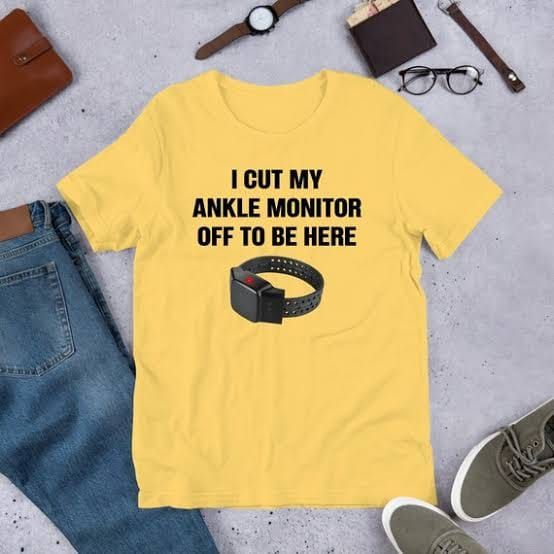
There is a massive, expensive disconnect between public perception and the reality of modern electronic monitoring. To the public and policymakers, a GPS ankle monitor is viewed as a high tech digital prison. But to those of us managing real liability on the ground, we know the truth: It’s a false sense of security.
We learned this lesson the hard way, spending over $100,000 a year on electronic monitoring programs only to realize that if a defendant is truly determined to flee, a monitor means absolutely nothing.
Go back 20 years, and ankle monitors were built like hardware hard metal cuffs that were nearly impossible to cut. Today? They’ve de-evolved into flimsy plastic straps. While manufacturers claim this shift was for "ergonomics," the practical result is a device that can be snipped with regular kitchen shears. They’ve made them so comfortable for the wearer that they are equally comfortable to remove.
The myth of the ankle monitor relies on the illusion of real-time prevention. But technology cannot stop a person from running; it only logs where they were when they decided to leave. By the time a "strap cut" alert pings a central station, gets reviewed, and is forwarded to field investigators or law enforcement, the defendant is already hours down the road.
The deepest flaw in relying on electronic monitoring is that it attempts to replace true accountability with a cellular signal. True risk management isn't bought from a tech vendor. It’s built on human anchors, co-signers, deep family ties, stable employment, and emotional stakes in the community. When you underwrite the person and their network, you create a real safety net. When you rely strictly on a plastic strap, you are gambling on a false promise.
If a defendant has no anchors holding them to a jurisdiction, a piece of plastic certainly won’t do the job. It’s time to stop letting tech marketing replace sound underwriting.
For my peers in the industry: Have you scaled back on tech monitoring in favor of stronger underwriting, or are you still fighting the "plastic cuff" battle? Let's discuss.